

Queen ELizabeth National Park
UGANDA’S MEDLEY OF WONDERS
Straddling the Equator and crowned by breathtaking natural diversity, Queen Elizabeth National Park stands as Uganda’s most celebrated and iconic safari destination. Equator monuments mark the precise point where latitude 0° crosses the park—an unforgettable photo opportunity and a symbolic gateway to one of Africa’s richest ecosystems.
Established in 1952 as Kazinga National Park and later renamed in honor of Queen Elizabeth II following her historic visit in 1954, the park has since become a benchmark for conservation and wildlife tourism in East Africa.
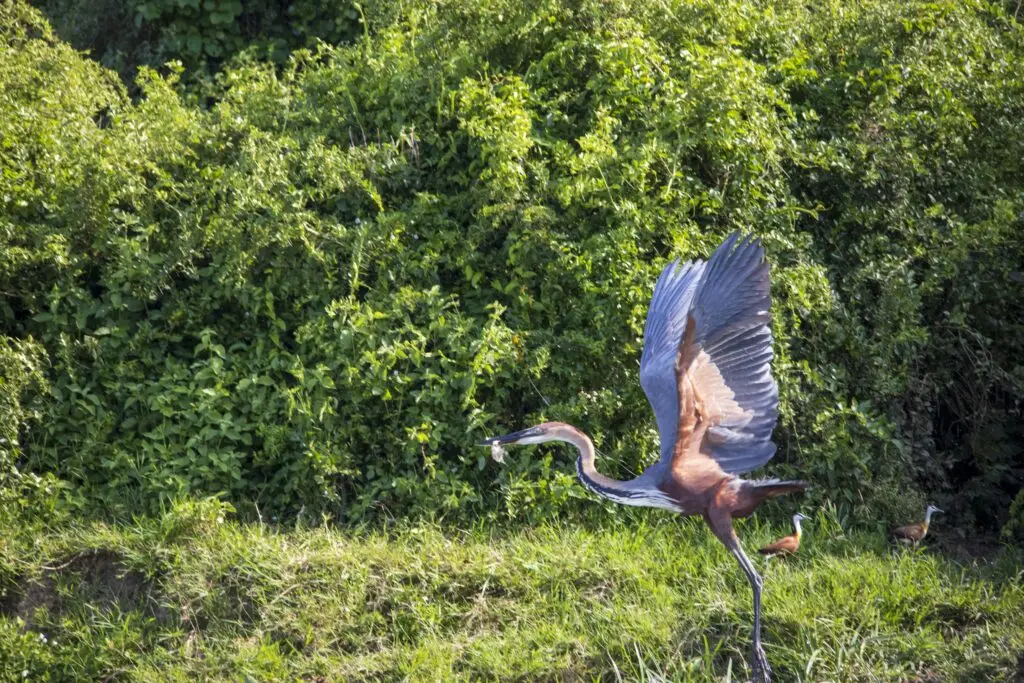
Spanning a remarkable altitudinal range from 910 meters at Lake Edward to 1,350 meters atop the Katwe Explosion Craters, the park hosts an extraordinary concentration of biodiversity. It supports more than 95 mammal species, including 20 carnivores such as lions, leopards, spotted hyenas, and side-striped jackals. In addition, over 600 bird species have been recorded, making it one of Africa’s premier birding destinations.
The park’s landscapes form a spectacular mosaic of open savannah, lush wetlands, tropical forests, sparkling crater lakes, and fertile plains, all dramatically framed by the snow-capped peaks of the Rwenzori Mountains
Why Visit Queen Elizabeth
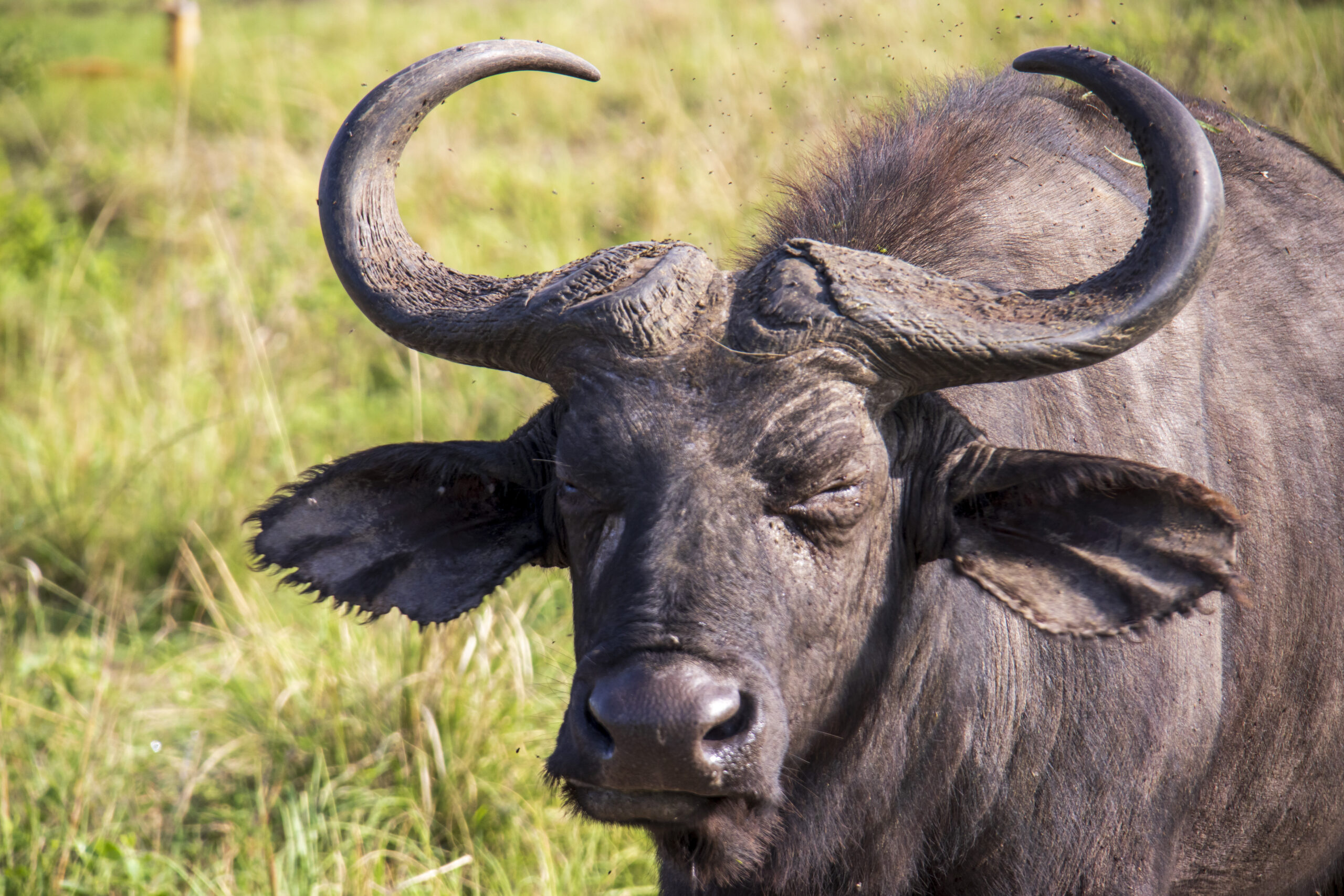
At the heart of the park flows the legendary Kazinga Channel, a natural waterway connecting Lake Edward and Lake George. This wildlife-rich corridor hosts one of the highest concentrations of hippos in Africa, alongside buffalo, elephants, crocodiles, and a remarkable variety of birdlife that thrive along its fertile banks.
In the southern Ishasha sector, sweeping savannah plains are dotted with towering fig trees that shelter the park’s famous tree-climbing lions. Here, lions are often seen resting on branches above herds of Uganda kob, creating one of Africa’s most iconic and unusual wildlife spectacles.
Beyond its wildlife, Queen Elizabeth National Park offers a vibrant cultural dimension. Visitors can engage with surrounding communities through guided cultural encounters featuring traditional storytelling, music, dance, and heritage experiences. These interactions highlight how conservation supports local livelihoods while preserving Uganda’s cultural identity.
Vegetation across the park is equally diverse. Acacia-dominated savannah, dense woodland in the western sector, and distinctive candelabra euphorbia—cactus-like shrubs lining the Kazinga Channel and Kasenyi Plains—create striking scenery unique to this region.
A Different Kind of Safari
With its extraordinary biodiversity, dramatic landscapes, abundant wildlife, and authentic cultural experiences, Queen Elizabeth National Park is more than a safari destination—it is a living tapestry of Uganda’s natural and cultural heritage. Truly, Queen Elizabeth National Park is a Medley of Wonders and the beating heart of Uganda’s safari experience.
Frequently Asked Questions
Queen Elizabeth National Park is located in western Uganda, spanning the Equator between Lakes George and Edward, and set against the dramatic backdrop of the Rwenzori Mountains.
It is Uganda’s most popular national park due to its exceptional biodiversity, scenic landscapes, and iconic wildlife experiences—including tree-climbing lions, the Kazinga Channel boat safari, and over 600 bird species.
The park is home to over 95 mammal species, including elephants, buffalo, lions, leopards, spotted hyenas, Uganda kob, and hippos. It also supports 10 primate species, including chimpanzees in the Kyambura Gorge.
Absolutely. With over 600 recorded bird species, the park is considered one of Africa’s top birding destinations, attracting both casual bird lovers and serious ornithologists.
The Kazinga Channel hosts one of the highest concentrations of hippos in Africa and offers unforgettable boat safaris with close-up views of elephants, buffalo, crocodiles, and diverse water birds along its banks.
While wildlife sightings can never be guaranteed, the Ishasha sector is one of the best places in Africa to observe tree-climbing lions, often resting in fig trees during the heat of the day
Activities include game drives, boat cruises on the Kazinga Channel, chimpanzee tracking in Kyambura Gorge, birding excursions, crater lake exploration, and guided cultural community visits
The park can be visited year-round. The dry seasons (June–September and December–February) offer excellent game viewing, while the wet seasons provide lush landscapes and outstanding birdlife.
Yes. The park offers a range of high-end lodges and exclusive safari experiences, making it ideal for luxury travelers seeking comfort, privacy, and exceptional wildlife encounters.
Tourism supports conservation and community livelihoods through employment, cultural tourism initiatives, and sustainable development programs that benefit surrounding villages.
A stay of 2–3 nights is ideal to fully experience the park’s wildlife, landscapes, and activities, while longer stays allow for deeper exploration and relaxed luxury travel.