Bwindi Impenetrable National Park

TRULY EXCEPTIONAL

Bwindi Impenetrable National Park is Uganda’s most iconic wildlife destination and home to over half of the world’s remaining mountain gorillas. This UNESCO World Heritage Site is a dense, ancient rainforest located in southwestern Uganda near the Rwanda border crossroads of Uganda, Rwanda, and the Democratic Republic of Congo

WHY IT IS SPECIAL

🦍 Gorilla Trekking Capital of the World
🌍 UNESCO World Heritage Site
🌳 One of Africa’s oldest rainforests (over 25,000 years old)
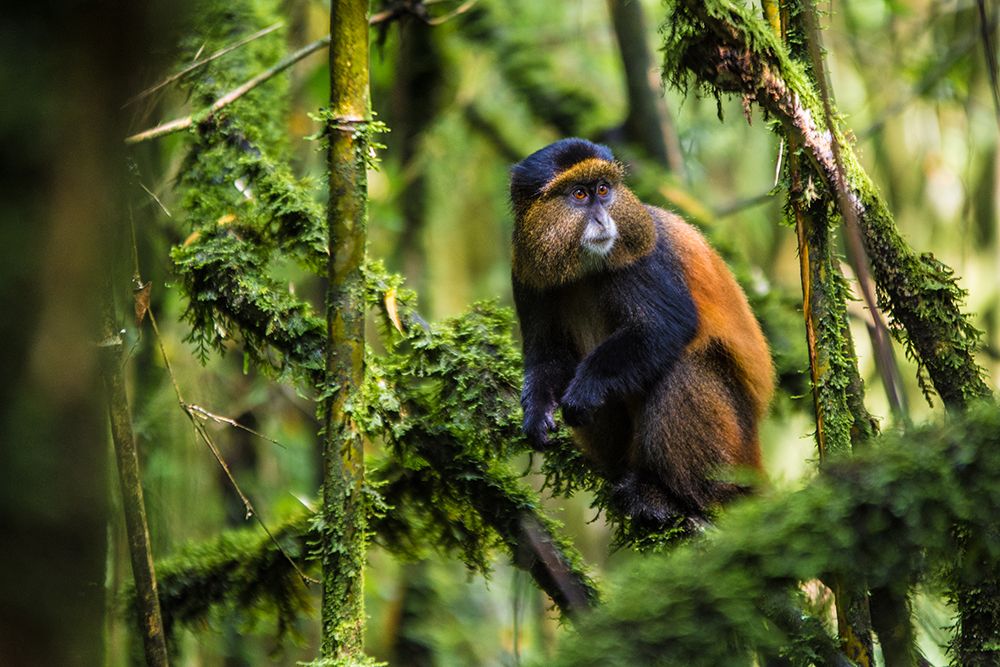
🐒 120+ mammal species & 350+ bird species
🌄 Dramatic hills, valleys, and mist-covered jungle

Main Trekking Sectors
Buhoma – Most established, easier terrain
Rushaga – Highest number of gorilla families
Nkuringo – Steeper, scenic, more exclusive
Ruhija – Less crowded, great for birding
 What to Expect on a Gorilla Trek
1–6 hours hiking (depends on gorilla location)
1 unforgettable hour with the gorilla family
Permit required (currently $800 per person for foreign non-residents)

Sector Details

Buhoma Sector (Northern Bwindi
Vibe: Classic, established, accessible
Terrain: Moderate (less steep than southern sectors)
Best For: First-time trekkers, families, shorter hikes
 
Why Choose Buhoma
Oldest and most developed sector
Good road access from Queen Elizabeth NP (Ishasha sector)
Strong lodge options (budget to luxury)
Cultural visits to Batwa community easily arranged
 
Gorilla Experience
Several habituated families
Trek difficulty ranges from easy to moderate
Good photography light in certain forest clearings
 
Pro Tip: Ideal if combining gorillas with Queen Elizabeth National Park.
Rushaga Sector (Southern Bwindi)
Vibe: Most dynamic & permit-flexible
Terrain: Moderate to steep
Best For: Availability & larger gorilla families
 
Why Choose Rushaga
Highest number of habituated gorilla families
Best chance for last-minute permit availability
Offers Gorilla Habituation Experience (4 hours with gorillas)
Wide range of accommodation options
 
Gorilla Experience
Often larger families
More trekking route flexibility
Spectacular southern highland scenery
 
Pro Tip: Best sector if you want to do two treks in different families.
Nkuringo Sector (Southwest Bwindi)
Vibe: Scenic, exclusive, physically demanding
Terrain: Steep (most challenging sector)
Best For: Fit travelers & luxury seekers
 
Why Choose Nkuringo
Dramatic views toward the Virunga volcanoes
Smaller number of permits = quieter experience
Upscale eco-lodges with panoramic views
 
Gorilla Experience
More intense hiking
Extremely rewarding scenery
Often more intimate trekking feel
 
Pro Tip: Perfect for high-end clients who value privacy and scenery.
Ruhija Sector (Eastern Bwindi)
Vibe: Quiet, remote, birding-focused
Terrain: Moderate to challenging
Best For: Bird lovers & travelers avoiding crowds
 
Why Choose Ruhija
Fewer tourists
Excellent birdwatching (Albertine Rift endemics)
Cooler temperatures due to higher altitude
 
Gorilla Experience
Smaller trekking groups
More secluded forest trails
Authentic, less commercial feel
 
Pro Tip: Combine gorillas + serious birding here.

Ideal For

Frequently Asked Questions

$800 per person (Foreign Non-Residents)
$700 (Foreign Residents)
UGX 300,000 (East African Citizens)
Permits are limited and must be booked in advance.
Hiking can take 1–6 hours, depending on gorilla location.
You spend 1 full hour with the gorilla family once located.

It ranges from moderate to challenging. Some sectors like Nkuringo are steeper, while Buhoma is generally easier. Rangers adjust pace to the group.

Yes. Minimum age is 15 years old.

Yes. Photography is allowed (no flash).
Drones are not permitted inside the park without special government filming clearance

Porters are optional but highly recommended.
They:
Carry your backpack
Assist on steep sections
Support the local community
Cost: ~$15–$20 per trek.
Long-sleeve shirt & long trousers
Waterproof hiking boots
Rain jacket (weather changes quickly)
Gardening gloves (for gripping vegetation)

You may be denied trekking if you show flu-like symptoms. Gorillas are highly susceptible to human diseases.

June–September & December–February = drier, easier hiking
March–May & October–November = wetter, fewer crowds, lush scenery
From Kigali (Rwanda): ~4–5 hours by road
From Kampala/Entebbe: ~8–10 hours by road
Kigali is faster and often preferred for shorter itineraries.

Not always. The forest is dense. You’ll typically see the silverback, females, juveniles, and sometimes playful babies — but visibility varies

For most travelers, it’s considered one of the most powerful wildlife encounters on Earth — intimate, raw, and deeply moving.
Featured Trip